
The annual International Gliding Commission Plenary meeting was held in Lausanne, Switzerland in early March 2026. The meeting produced a number of rule changes and announcements of significance to the gliding community, with most rule amendments taking effect from 16th April 2026 and others from 1st October 2026.
Rule Changes Effective 16th April 2026
6.1.5 — The 25th birthday rule has been adjusted to clarify eligibility for Junior World Gliding Championships. The change addresses pilots who would have qualified to fly in a JWGC during a Northern Hemisphere summer season, allowing them to also compete in a Southern Hemisphere championship held the following January, February or March.
6.2.9a — A secondary flight logger may now be used to remove any non-PEV penalty that might otherwise have applied.
6.2.9b — A further amendment permits the use of undeclared and non-IGC-approved devices to produce a complete flight trace specifically in cases where GPS jamming has been confirmed. These two changes are practical responses to an increasingly recognised problem in competition flying.
6.2.13 — The penalty framework for dangerous and hazardous flying has been revised. Previously a single penalty of 100 points applied; under the new structure a first offence attracts 10 points, with subsequent offences carrying a penalty of the offence number minus one, multiplied by 50 points, escalating ultimately to disqualification. The intent is to introduce a more proportionate graduated response while retaining the most serious sanction for persistent or extreme behaviour.
Rule Changes Effective 1st October 2026
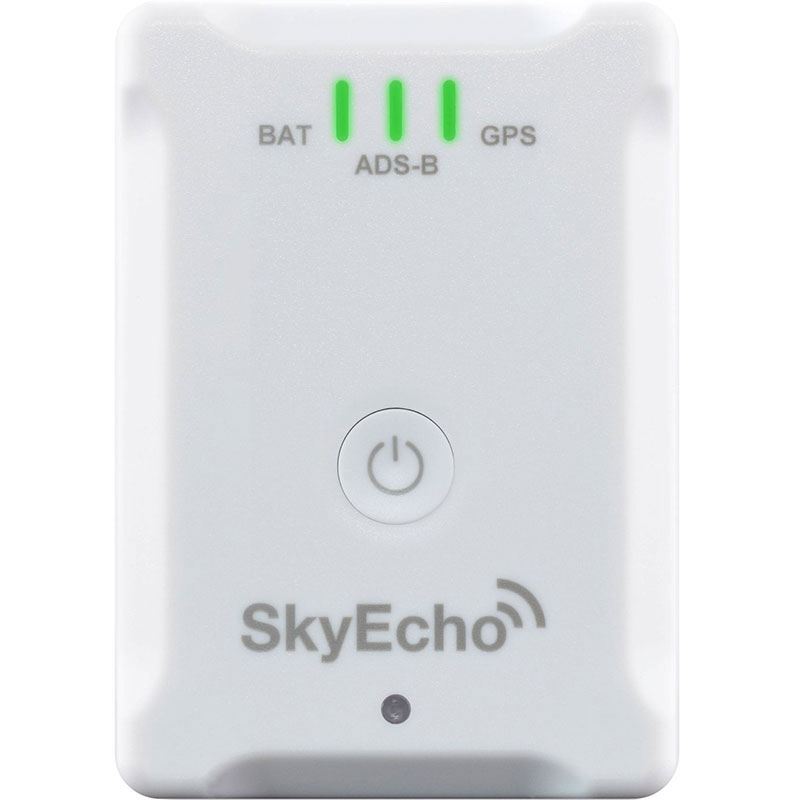
6.1.3 — Tow planes at IGC events will be required to carry and operate proximity awareness transceivers from October onwards. This brings tug aircraft into line with expectations that already apply to competing gliders and reflects the broader push across aviation to improve situational awareness in the circuit and tow environment.
6.1.6 — Turn point geometry for racing tasks has been given greater flexibility. Competition Directors will be able to choose between the traditional 500 metre cylinder configuration and a keyhole configuration, though whichever geometry is selected must be applied consistently across the entire event rather than varied from task to task.
11.3.2 — The 24th FAI European Gliding Championships at Ostrow has been granted permission to trial the new cylinder start method, subject to validation by two independent external scorers.
Championship Allocations
Several future IGC championship venues were confirmed at the meeting. The 43rd FAI World Gliding Championships, covering Club, Standard and 15 Metre classes, will be held in 2029 at Vinon in France. The 15th Women's World Gliding Championship, for Club, Standard and 18 Metre classes, was awarded to Lachen-Speyerdorf in Germany, also in 2029. The 25th FAI European Gliding Championships, for Club, Standard and 15 Metre classes, will take place in 2028 at Ptuj in Slovenia.
Awards
The Lilienthal Medal, the IGC's highest honour, was awarded to Brian Spreckley of the United Kingdom.
The Pirat-Gehriger Diploma went to Sebastian Chaumontet of France.
The Pelagia Majewska Medal was presented to Sarah Arnold of the United States.
The IGC Champion Pilot of the Year award was given to Jeroen Jennen of Belgium.